Shockwave Therapy For Pain Relief in Atlanta



Advanced Non-Surgical Treatment for Chronic Pain, Arthritis, and Sports Injuries
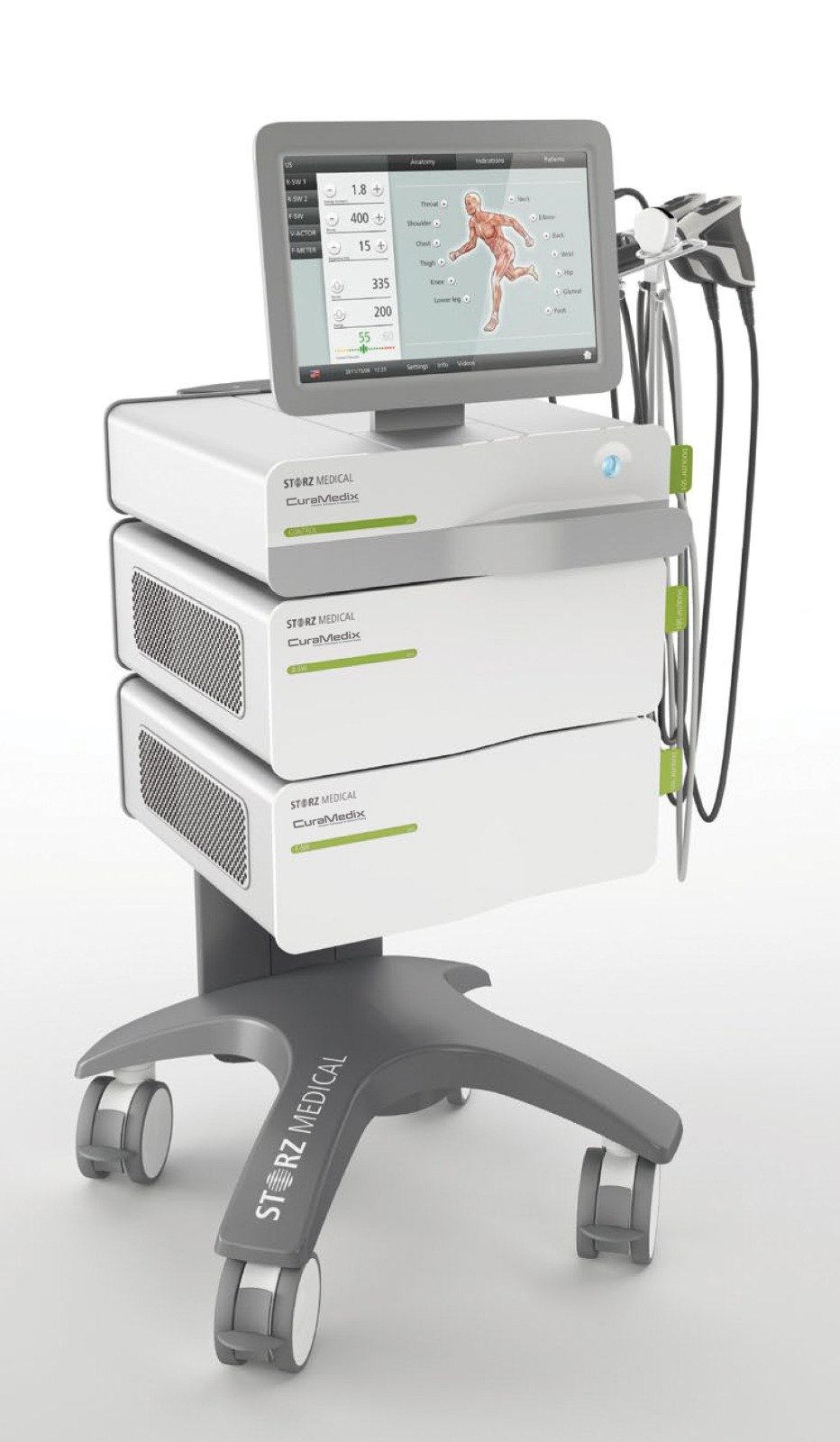
Restore Spine & Joint Center offers advanced Extracorporeal Shockwave Therapy (ESWT) using medical-grade Storz shockwave systems.
Shockwave therapy stimulates the body’s natural healing process and is commonly used to treat chronic musculoskeletal pain and sports injuries.
Unlike many clinics that use low-energy devices, we utilize both Focused and Radial shockwave technology. This allows precise treatment of both deep and superficial orthopedic conditions.
All patients receive a physician consultation, and treatments are performed under medical supervision.

Combination Therapy (PRP + Stem Cells + EPAT+ ESWT )
In selected cases, outcomes may be enhanced when Shockwave Therapy is combined with regenerative treatments such as Platelet-Rich Plasma (PRP) or autologous Stem Cell therapy, as shockwaves can stimulate tissue metabolism, improve circulation, and help create a more favorable biological environment that may support the healing response of regenerative injections.
What is Shockwave Therapy?
Shockwave therapy uses acoustic energy waves to stimulate healing in injured tissues.
These waves activate the body’s natural repair mechanisms by:
- Increasing blood flow to injured tissue
- Stimulating collagen production
- Reducing chronic inflammation
- Breaking down calcifications and scar tissue
- Accelerating tendon and ligament healing
Shockwave therapy is widely used in sports medicine, orthopedic rehabilitation, and regenerative medicine clinics worldwide.
Shockwave Therapy Clinical Evidence


Conditions Treated
Shockwave therapy is commonly used for chronic musculoskeletal pain, arthritis, and sports injuries.
Knee
Conditions MOST EFFECTIVELY Treated with ESWT
- Patellar Tendinopathy (Jumper’s Knee)
- Quadriceps Tendinopathy
- Pes Anserine Tendinopathy / Bursitis
- Myofascial Pain around the Knee (Trigger Points in Quadriceps, Hamstrings, IT band)
- Patellar Insertional Tendinopathy
Shockwaves stimulate tendon regeneration and neovascularization.
Clinical trials show significant pain reduction and improved function in chronic tendinopathy.
- Knee Osteoarthritis (especially mild–moderate)
- Patellofemoral Pain Syndrome (Runner’s Knee)
- Medial Collateral Ligament (MCL) chronic strain
- Iliotibial Band Syndrome (ITB syndrome)
- Pes Anserine bursitis (chronic)
- Chronic synovitis with soft-tissue inflammation
ESWT can reduce pain and improve knee function in osteoarthritis, with focused ESWT often producing stronger results.
Typical mechanism:
- Anti-inflammatory effects
- Stimulation of subchondral bone remodeling
- Improved microcirculation
- Early cartilage degeneration / regenerative stimulation
- Subchondral bone lesions
- Osgood-Schlatter disease
- Post-arthroscopy pain syndromes
- Neuropathic knee pain
Shockwaves can stimulate bone, tendon, ligament, and fascia healing, explaining why the therapy is expanding into new orthopedic indications.
In some patients, combining Shockwave Therapy with PRP or Stem Cell treatments may help amplify the body’s natural healing response and improve clinical outcomes.
HIP
Conditions MOST EFFECTIVELY Treated with ESWT
These conditions generally show a strong clinical response and predictable improvement with shockwave therapy.
- Greater Trochanteric Pain Syndrome (GTPS)
- Gluteus Medius Tendinopathy
- Gluteus Minimus Tendinopathy
- Trochanteric Bursitis (chronic)
- Proximal Hamstring Tendinopathy
- Myofascial Pain of the Hip (trigger points in gluteal and hip musculature)
Why these respond well:
- Shockwaves stimulate tendon healing and neovascularization.
- Reduce chronic inflammation and stimulate tissue regeneration.
- Particularly effective in chronic tendinopathy resistant to physical therapy or injections.

These conditions may show symptom improvement and functional benefit, though outcomes depend on disease severity and underlying structural pathology.
- Hip Osteoarthritis (mild to moderate)
- Iliotibial Band Syndrome at the Hip
- Hip Flexor Tendinopathy (Iliopsoas tendinitis)
- Deep Gluteal Syndrome (piriformis-related pain)
- Chronic Hip Capsule Inflammation
- Chronic Hip Strain Injuries
Foot and Ankle
Conditions MOST EFFECTIVELY Treated with ESWT
These conditions generally show a strong clinical response and predictable improvement with shockwave therapy.
- Plantar Fasciitis (chronic plantar heel pain)
- Calcific Plantar Fasciopathy / Heel Spur Syndrome
- Achilles Tendinopathy (insertional and mid-portion)
- Peroneal Tendinopathy
- Tibialis Posterior Tendinopathy
- Myofascial Pain of the Foot and Ankle (trigger points in calf and foot muscles)

Conditions MODERATELY EFFECTIVE with ESWT
These conditions may show symptom improvement and functional benefit, though outcomes depend on disease severity and underlying structural pathology.
- Hip
- Retrocalcaneal Bursitis
- Haglund’s Syndrome
- Ankle Tendinopathies (general chronic tendinitis)
- Chronic Ankle Sprain / Ligament Strain
- Sinus Tarsi Syndrome
- Stress Reaction of Foot Bones
- Chronic Heel Pain without clear plantar fasciitis
*Peripheral Neuropathy (experimental use)
Shoulder
Conditions MOST EFFECTIVELY Treated with ESWT
These conditions typically demonstrate strong clinical response and predictable improvement with shockwave therapy.
- Calcific Tendinitis of the Rotator Cuff (especially supraspinatus calcifications)
- Rotator Cuff Tendinopathy (supraspinatus, infraspinatus)
- Subacromial Pain Syndrome
- Subacromial Bursitis (chronic)
- Myofascial Pain of the Shoulder (trigger points in rotator cuff and periscapular muscles)
Why these respond well:
- Shockwaves can break down calcific deposits within tendons.
- Stimulate tendon healing and neovascularization.
- Reduce chronic inflammation and promote tissue regeneration.
These conditions often improve pain and shoulder function, although response depends on severity and structural damage.
- Non-calcific Rotator Cuff Tendinopathy
- Bicipital Tendinitis (Long Head of Biceps)
- Shoulder Impingement Syndrome
- Deltoid Tendinopathy
- Acromioclavicular (AC) Joint Pain related to soft-tissue inflammation
- Partial Rotator Cuff Tears
- Adhesive Capsulitis (Frozen Shoulder)
- Shoulder Osteoarthritis
- Chronic Shoulder Instability-related pain
- Post-surgical Shoulder Pain or Scar Tissue
These are newer areas of clinical interest where ESWT is increasingly studied.
- Early Shoulder Cartilage Degeneration
- Tendon Calcification in Other Rotator Cuff Tendons
- Chronic Sports-related Shoulder Injuries
- Scapulothoracic Myofascial Pain Syndromes
- Early Degenerative Tendon Changes
Elbow
Conditions MOST EFFECTIVELY Treated with ESWT
These conditions generally demonstrate excellent clinical response and predictable improvement with shockwave therapy.
- Lateral Epicondylitis (Tennis Elbow)
- Medial Epicondylitis (Golfer’s Elbow)
- Common Extensor Tendinopathy
- Common Flexor Tendinopathy
- Myofascial Pain around the Elbow (trigger points in forearm extensors and flexors)
Why these respond well:
- Shockwaves stimulate tendon regeneration and neovascularization.
- Reduce chronic inflammation in degenerative tendinopathy.
- Promote collagen remodeling and tissue healing in chronic overuse injuries.

These conditions may show improvement in pain and functional mobility, although response may vary depending on the severity of underlying pathology.
- Distal Biceps Tendinopathy
- Triceps Tendinopathy
- Olecranon Bursitis (chronic)
- Chronic Elbow Strain Injuries
- Elbow Tendinitis related to repetitive sports or occupational strain
These are areas of ongoing research where ESWT is increasingly being explored.
- Early Cartilage Degeneration of the Elbow
- Chronic Sports-related Elbow Injuries (throwing athletes)
- Tendon Calcifications around the Elbow
- Chronic Overuse Injuries in Athletes
- Neuropathic Elbow Pain (selected cases)
Radial vs Focused Shockwave Therapy
Radial Shockwave
Radial shockwave spreads energy over a larger treatment area.
Common uses include:
- Muscle trigger points
- Tendinitis
- Myofascial pain

Focused Shockwave
Focused shockwave delivers high-precision energy deep into tissues.
Common uses include:
- Chronic tendon injuries
- Calcific tendinitis
- Deep ligament conditions
- Persistent sports injuries

Wrist and Hand
Conditions MOST EFFECTIVELY Treated with ESWT
These conditions generally show a strong clinical response and predictable improvement with shockwave therapy.
- De Quervain’s Tenosynovitis
- Wrist Extensor Tendinopathy
- Wrist Flexor Tendinopathy
- Trigger Finger (stenosing tenosynovitis – early to moderate cases)
- Myofascial Pain of the Wrist and Hand (trigger points in forearm and hand musculature)

Why these respond well:
- Shockwaves stimulate tendon healing and neovascularization.
- Reduce chronic inflammation in tendon sheaths.
- Promote collagen remodeling and tissue regeneration in chronic overuse injuries.
These conditions may show improvement in pain and function, although outcomes can vary depending on severity.
- Intersection Syndrome
- Tendinitis of the Wrist and Hand
- Early Thumb Carpometacarpal (CMC) Joint Arthritis
- Wrist Ligament Strain Injuries
- Chronic Wrist Pain related to overuse or repetitive strain
- Carpal Tunnel Syndrome
- Ganglion Cyst–related Wrist Pain
- Wrist Osteoarthritis
- Chronic Post-surgical Wrist Pain
- Degenerative Tendon Tears of the Hand
Spine Conditions Treated with Radial and Focused ESWT (STORZ System)
Conditions MOST EFFECTIVELY Treated with ESWT
These conditions typically show a strong clinical response, particularly when the pain source is muscular, fascial, or ligamentous.
- Myofascial Pain Syndrome of the Cervical Spine
- Myofascial Pain Syndrome of the Thoracic Spine
- Myofascial Pain Syndrome of the Lumbar Spine
- Paraspinal Muscle Spasm and Chronic Muscle Tightness
- Sacroiliac Joint (SIJ) Ligamentous Pain
- Iliolumbar Ligament Syndrome
- Trigger Points in Paraspinal Muscles (multifidus, quadratus lumborum, trapezius)
- Chronic Non-specific Back Pain
Why these respond well:
- Shockwaves help release trigger points and reduce muscle hypertonicity.
- Stimulate improved blood circulation and tissue metabolism.
- Promote healing in chronic soft-tissue and ligament injuries.

Conditions MODERATELY EFFECTIVE with ESWT
These conditions may show symptom improvement and functional benefit, although outcomes depend on the severity of underlying pathology.
- Cervical Facet Joint Pain (adjacent soft tissues)
- Lumbar Facet Syndrome (soft tissue component)
- Thoracic Spine Mechanical Pain
- Chronic Sacroiliac Joint Dysfunction
- Thoracolumbar Fascia Pain Syndrome
- Chronic Postural Spine Pain (tech neck, prolonged sitting)

Conditions LESS MODERATELY EFFECTIVE (Adjunctive / Selected Cases)
Shockwave therapy may provide adjunctive symptom relief, but outcomes are less predictable when structural spinal pathology is present.
- Degenerative Disc Disease–related back pain
- Lumbar Disc Herniation–related mechanical pain
- Cervical Radiculopathy (soft-tissue component only)
- Spinal Osteoarthritis (facet arthropathy)
- Post-surgical Spine Pain (scar tissue/muscle pain)
Reasons for lower response:
- Deep structural pathology within discs or nerve roots
- Mechanical spinal instability
- Advanced degenerative disease
Why Our Shockwave Therapy Is Different
Many clinics advertise shockwave therapy, but the technology and energy levels vary significantly.
At Restore Spine & Joint Center:
- Treatments are directed by a physician
- Medical-grade Storz shockwave systems are used
- Both Focused and Radial technologies are available
- Treatment protocols are customized for each patient
This approach allows precise treatment of chronic orthopedic and sports injuries.
What to Expect During Treatment
Shockwave therapy sessions typically take 10–20 minutes per treatment area.
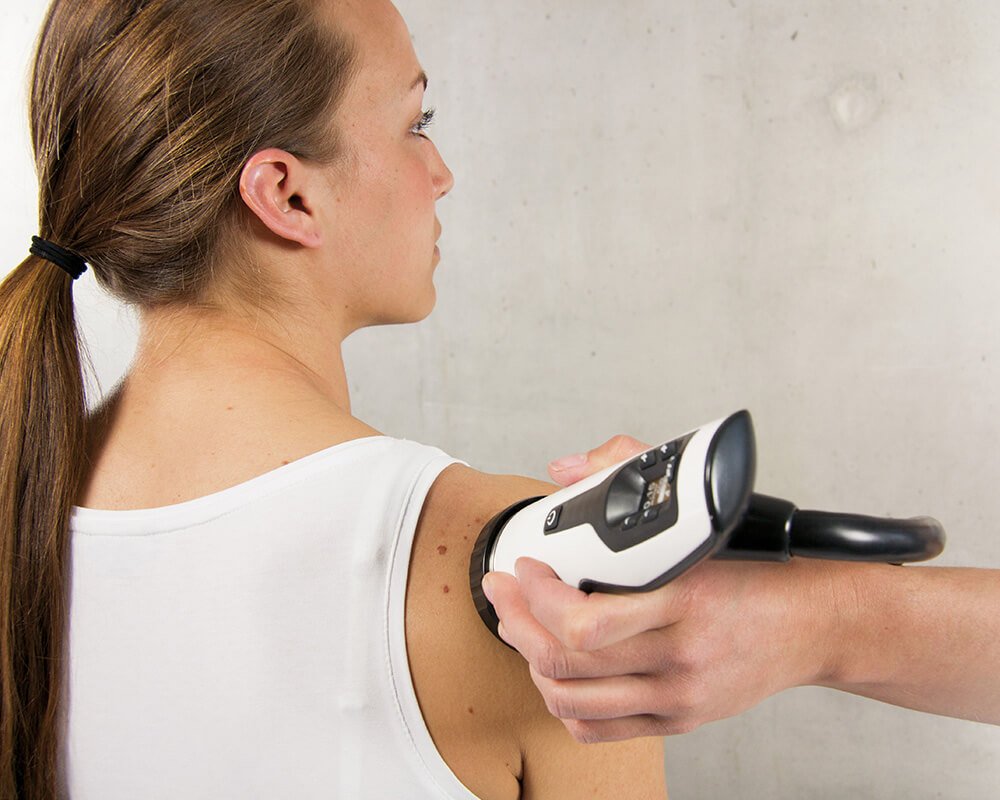
During treatment, a handheld device delivers controlled acoustic energy to the injured tissue.
Patients typically experience:
- A tapping or pulsing sensation
- Mild temporary discomfort
- Gradual improvement over several weeks
Most patients return to normal activities immediately after treatment.
Typical Treatment Plan
Most patients receive:
- 3–5 treatment sessions
- Sessions spaced about one week apart
Because shockwave therapy stimulates biological healing, improvement often continues for several weeks after the final treatment.
Shockwave Therapy vs PRP vs Stem Cell Therapy
Shockwave Therapy
Best for chronic tendon pain and sports injuries.
Uses acoustic energy waves to stimulate tissue healing.

PRP Therapy
Best for tendon and ligament injuries.
Uses platelet-rich plasma from the patient’s blood to stimulate repair.

Stem Cell Therapy
Uses regenerative cells to support tissue repair.
Frequently Asked Questions
Is shockwave therapy painful?
Is there downtime?
How quickly will I see results?
Is shockwave therapy covered by insurance?
Your Treatment Journey

Consultation

Personalized Treatment Plan

Treatment Sessions